Meet Sean & Esther Griffin & Stark | Karaoke with KJ Sean & Esther


We had the good fortune of connecting with Sean & Esther Griffin & Stark and we’ve shared our conversation below.
Hi Sean & Esther, can you walk us through the thought-process of starting your business?
In early 2021 we purchased a home in a 55-and-up resort community in Yuma, Arizona. There is so much to do here – volleyball, pickleball, pottery, quiltmaking, woodworking, off-roading, dancing, concerts, theatre, chorus and more. On our first morning, a neighbor Brenda brought us a housewarming gift, and asked us how we like Country Roads RV Village. We said we liked it a lot, but were a bit surprised that karaoke wasn’t offered. She replied, “Why don’t you start it?” We demurred. We had never done anything like that before, and wouldn’t have any idea to begin. She said, “I’ll be right back.”
Ten minutes later, she returned with a room-reservation request form, and proceeded to layout a Karaoke Nights schedule for the 2021-2022 snowbird season.
We still had a home in Grants Pass, Oregon, and we returned home we thought, “What the hell do we do now?”
We both enjoy singing, and we often check out karaoke venues when we travel. We’ve seen very good karaoke events (usually at restaurants rather than bars) and we’ve been to events where tweeters were trying to snatch the microphone away from the singer.
We shared a philosophy about singing and life; that singing is one of the great joys in life, and life is best lived a bit out of our comfort zones. We also knew that our ancestors invariable came from cultures that had rich public singing and dancing traditions, but when they came through the North American melting pot, the only things that survived were “Happy Birthday to You” and “Take Me Out to the Ballgame.”
Our vision was to start a form of karaoke that encouraged even the most timid among us to take a chance, to overcome that terror of humiliating yourself in public, and experience the joy of singing. We would also always leave a large space for dancing. We would celebrate when new singers lost their “Karaoke virginity” by ringing a cowbell and giving them a prize.
But first we needed equipment, and we found a mentor in the Pacific Northwest, a KJ (karaoke jockey) named Ron Forest. We’d been to his events, and they were terrific. He agreed to be our mentor, and we bought the exact same equipment he had, and we licensed our music and software from the same vendor he did. We invested a bit more than $4,000 in all, and when everything arrived we had no idea how to put it all together. Fortunately, a friend was able to figure it all out. Then we bought 15 rolls of different-colored electrical tape, and we color-coded every connection, every socket, every wire and cable.
Our audiences were meager at first, with only a handful of singers. Our first event raked in only $42 in tips, which is when a bit of panic set in. But our brand of karaoke caught on very quickly. The number of singers grew dramatically, the tips did the same, and we soon became the single most popular recurring event at our resort of 2,500 people. Typical events these days draw 250-300, especially when performing beneath the stars on the patio.
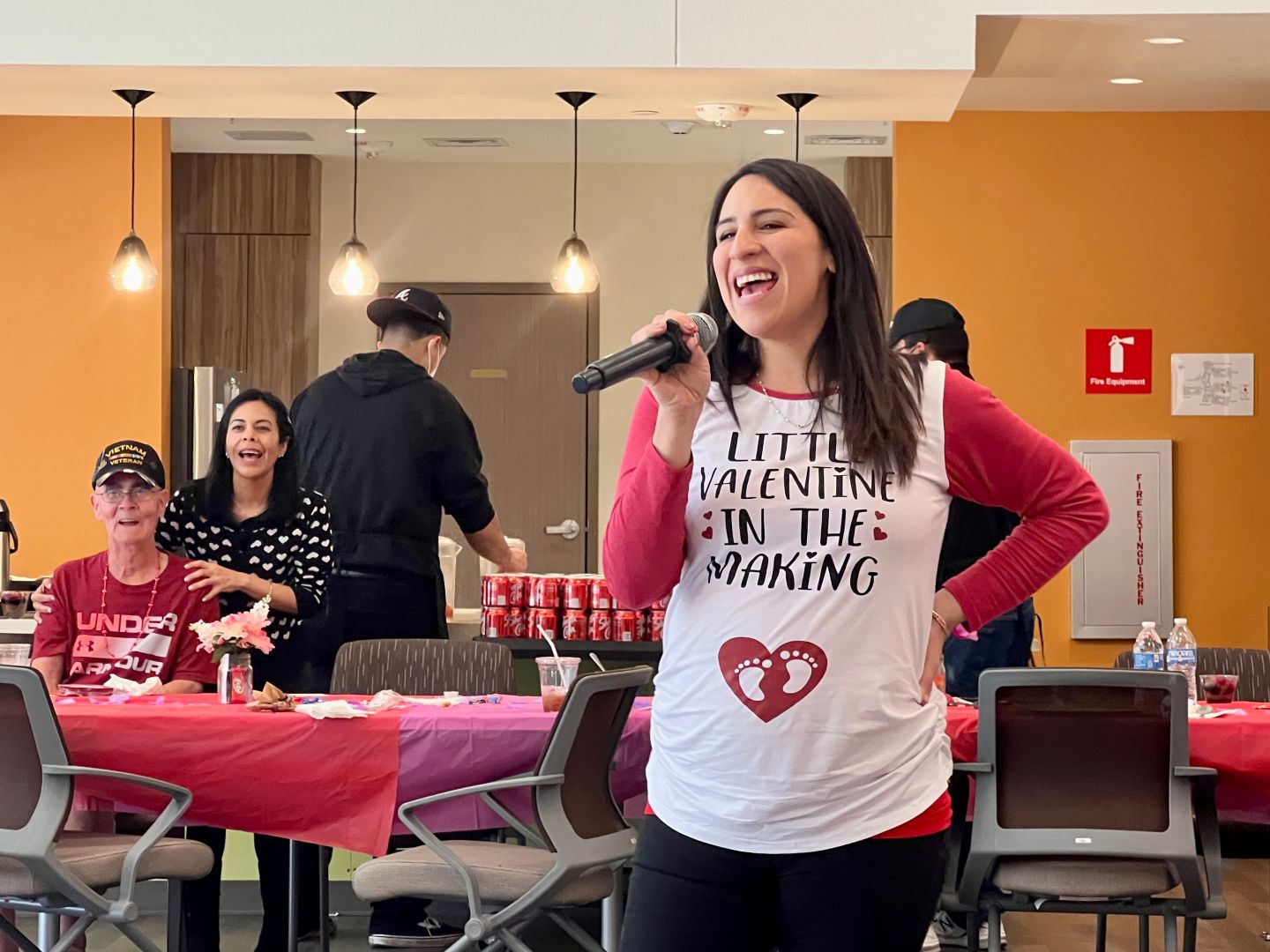
We found we like the 55 and up crowd, and we’ve since added other such communities, as well as assisted living facilities and the Arizona State Veterans Home. This fall, we’ll be hosting karaoke at the Playa Bonita resort on the Sea of Cortez at Puerto Peñasco, Mexico – about four hours drive from Yuma.
Can you open up a bit about your work and career? We’re big fans and we’d love for our community to learn more about your work.
Before launching our karaoke business in our 70s, I had careers both in journalism and public relations. Journalism was a challenge to get into because I didn’t have a degree in it, so I had to start at small weekly newspapers and work my way up to being a Washington DC correspondent for a major metropolitan newspaper. What I learned was that not having a journalism degree (having worked in business instead) proved to be an advantage that set me apart, and by the time I left the profession I had won many awards, and was twice nominated for a Pulitzer Prize. My interests in journalism were both in reporting and photography, but at major papers you can only do one, and I chose reporting. But I vowed upon retirement that I would return to photography. In 2010, I set up two photography businesses that I still run on a part-time basis. In November 2011, one of my photographs was recognized by The Smithsonian. What makes me proud of that photo is that it illustrated profoundly that photographic art doesn’t necessarily require a lot of money. I used an inexpensive point-and-shoot camera to photograph a Northern Flicker tail feather. I placed it on a sheet of printer paper on the floor next to a north-facing sliding glass door. I taped another sheet of printer paper to the side of a cardboard box to reflect the natural light back on to the feather. and I used a stack of five dimes to raise the feather above the backdrop, allowing for a bit of shadow and depth perception. Other than the camera, it cost a penny at most to set up that “studio.”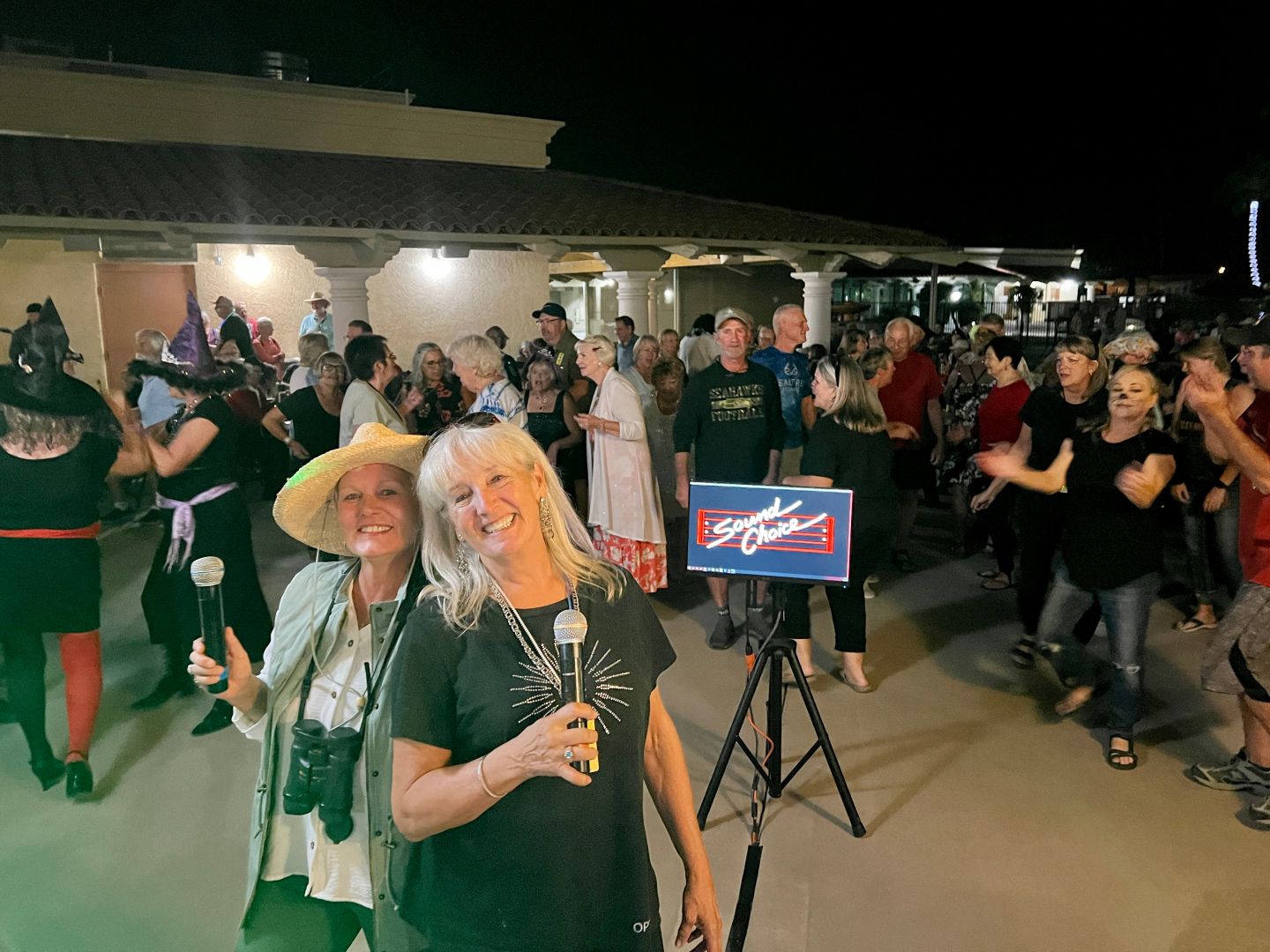
If you had a friend visiting you, what are some of the local spots you’d want to take them around to?
No one is more surprised than me that we chose Yuma, Arizona as our home. I used to joke that Yuma may not be the end of the Earth, but you can see it from there. It’s even more surprising how much we love it here. First thing I’d do is letting them sample some of the activities going on around the clock in our resort. We might play volleyball or pickleball, hang out by any of the five pools or four hot tubs, maybe throw a pot in the studio.
If the weather is hot, we might go tubing or boating on the Colorado River. If it’s mild, visit the Yuma Territorial Prison (famous from the 1957 and 2003 movies, “3:10 to Yuma.”). We could also ride side-by-sides on the Imperial Sand Dunes – a stretch of dunes six miles wide and 40 miles long – just east of town, or go off-roading to explore any of the scores of ghost towns and old mining settlements nearby.
There is wonderful dining in Yuma. I never expected to find the best fish and chips in my life, not to mention coconut shrimp served with piña colada sauce this far from an ocean. Or the incredible Italian restaurant, Da Boyz, where the dessert portions seem nearly as big as your head. Both restaurants offer outdoor as well as indoor dining.
I love to take visitors to the village of Los Algodones, Mexico — just 20 minutes from downtown Yuma. The town is known as the Dental Tourism Capital of the World, with more than 450 dentists working within one square mile downtown. You’ll also find many pharmacies with inexpensive medications, including medications that require a prescription in the US but our sold over the counter here. There are nearly as many opticians and eyeglass shops, as well as vendors of goods and services. On a typical visit, I get a very good haircut for $6, a wonderful teeth cleaning for $20 and a pedicure for $12. Our favorite street vendor will set you back $5 for lunch, including two delicious tacos which you can watch him make and a soft drink.
Yuma is three hours, more or less, from just about everything: San Diego, Palm Springs, Phoenix, Tucson and the Sea of Cortez at Puerto Peñasco.
The Shoutout series is all about recognizing that our success and where we are in life is at least somewhat thanks to the efforts, support, mentorship, love and encouragement of others. So is there someone that you want to dedicate your shoutout to?
Ron Forest of Karaoke with KJ Ron, Hoodsport, Washington, who served – and continues to serve – as our mentor
Brenda McKey, our neighbor who planted the seed in our brains and helped lay out her schedule for the upcoming season
Robbie Cooke of Grants Pass, Oregon, who volunteered her beautiful property so that we could do a few karaoke night “dress rehearsals” and learn how to control the flow of the show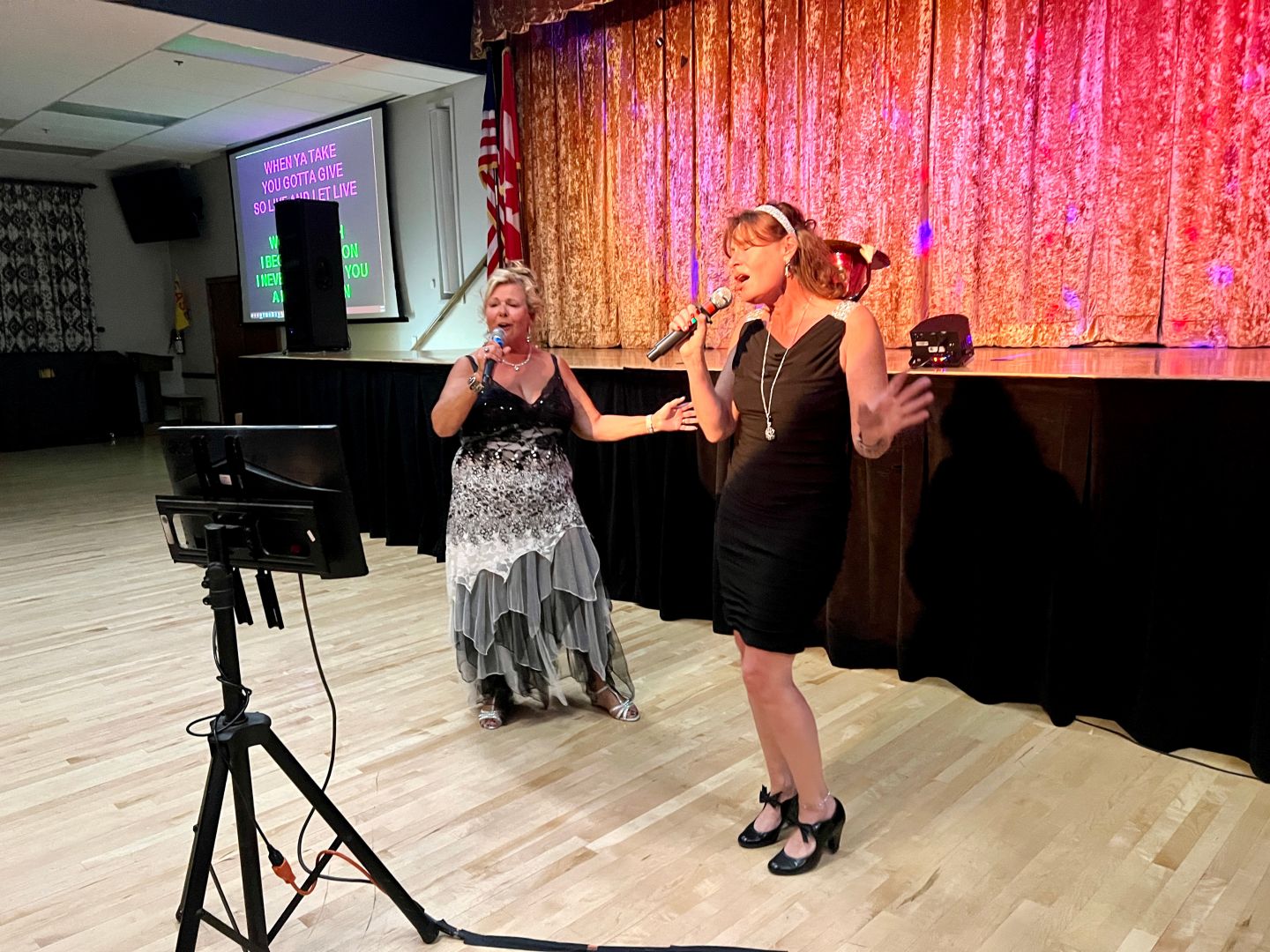
Facebook: https://www.facebook.com/profile.php?id=100071046811905