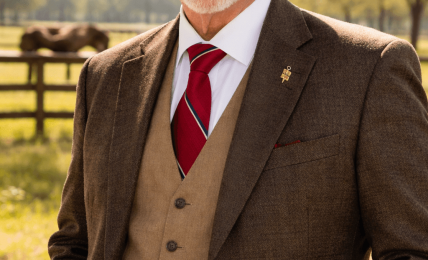
Meet Gary Minor
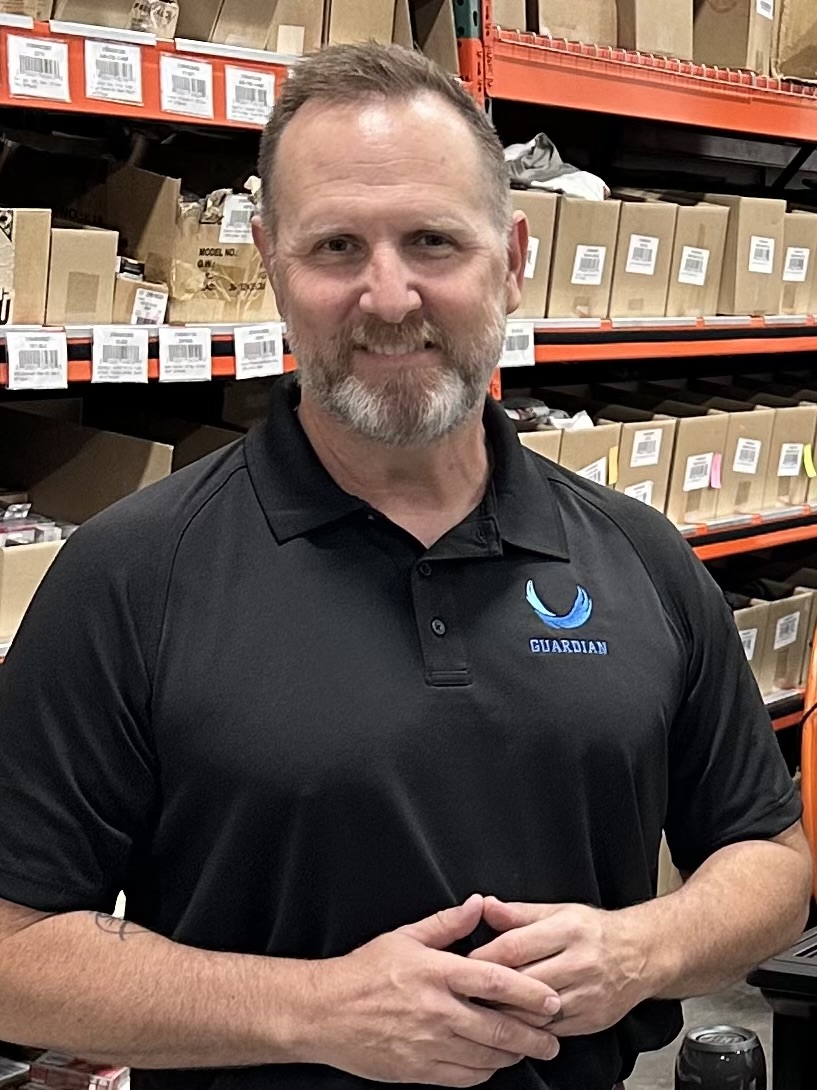


We had the good fortune of connecting with Gary Minor and we’ve shared our conversation below.
Hi Gary, do you have some perspective or insight you can share with us on the question of when someone should give up versus when they should keep going?
For me, giving up was never an option.
That doesn’t mean I wasn’t scared, frustrated, or overwhelmed. After my stroke, there were countless moments when the road ahead seemed impossible. But I never questioned whether I would continue moving forward. The real question became: How do I adapt?
For 29 years, I served as a police officer, primarily working violent crimes investigations involving homicides, robberies, and sexual assaults. I found purpose in helping create safer communities, supporting victims and their families through some of the most traumatic experiences of their lives, and mentoring the officers I worked alongside. Service wasn’t just my career, it was my mission.
In 2019, my life changed in an instant. I suffered a massive stroke caused by a complete blockage in my left carotid artery and two clots in my brain. Physically, I initially lost the use of my right arm, although through extensive therapy I recovered nearly all of its function. More devastating for me was losing my language.
I was diagnosed with aphasia. After surgery, I could only speak a few words. I couldn’t read, write, or fully understand spoken language. Yet, despite these challenges, my intelligence, experiences, and desire to contribute remained intact. I often describe aphasia this way: imagine your brain as a card catalog where information is carefully organized and easily accessible. The stroke took that catalog, shuffled all the cards, and scattered them across the floor. The knowledge is still there, you just have to find new ways to access it.
At 49 years old, my law enforcement career ended, and I was forced into retirement. I had to grieve the loss of the future I had planned and the identity I had built over nearly three decades of service.
But I also discovered something remarkable: neuroplasticity, the brain’s ability to adapt, reorganize, and create new pathways. I began speech therapy functioning at what felt like a kindergarten level. The nurses started teaching me as soon as I woke up. Progress was slow, frustrating, and exhausting.
I never viewed recovery as a choice between continuing or giving up. For me, it was about adjusting and adapting. It meant recognizing when something wasn’t working and finding another way around it. If speaking was difficult, I found strategies to communicate. If reading took longer, I adjusted my expectations and kept practicing. If the path I had planned was no longer available, I learned to create a new one.
The stroke taught me that resilience isn’t stubbornly doing things the same way you’ve always done them. Resilience is having the courage to shift, adapt, and keep moving forward even when life forces you to take a different route.
I realized that while my career had ended, my mission had not.
For years, my mission had been to protect others, support people through difficult circumstances, mentor those around me, and help others become stronger and more capable. The stroke changed how I could fulfill that mission, but it didn’t take away why I wanted to serve.
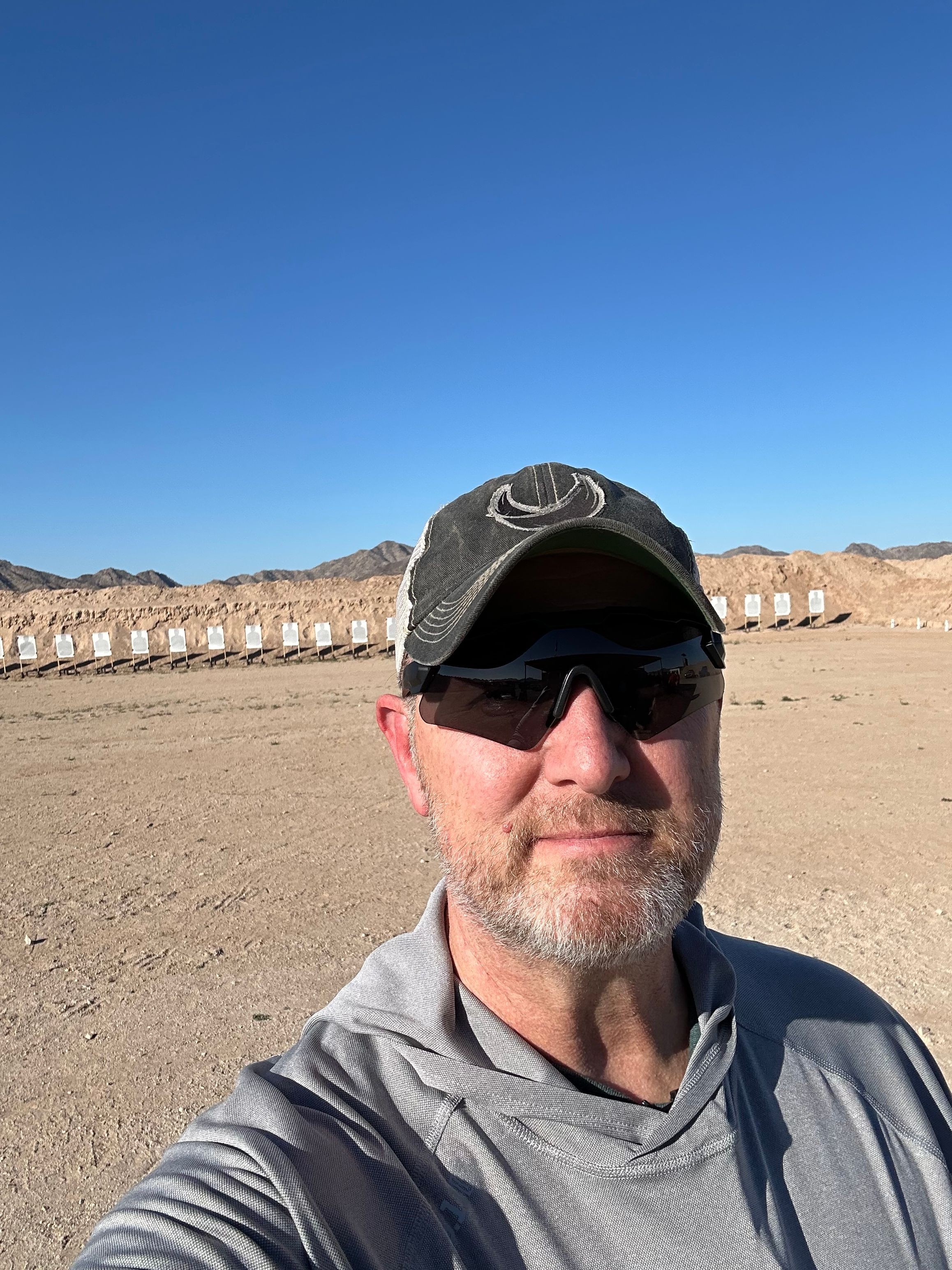
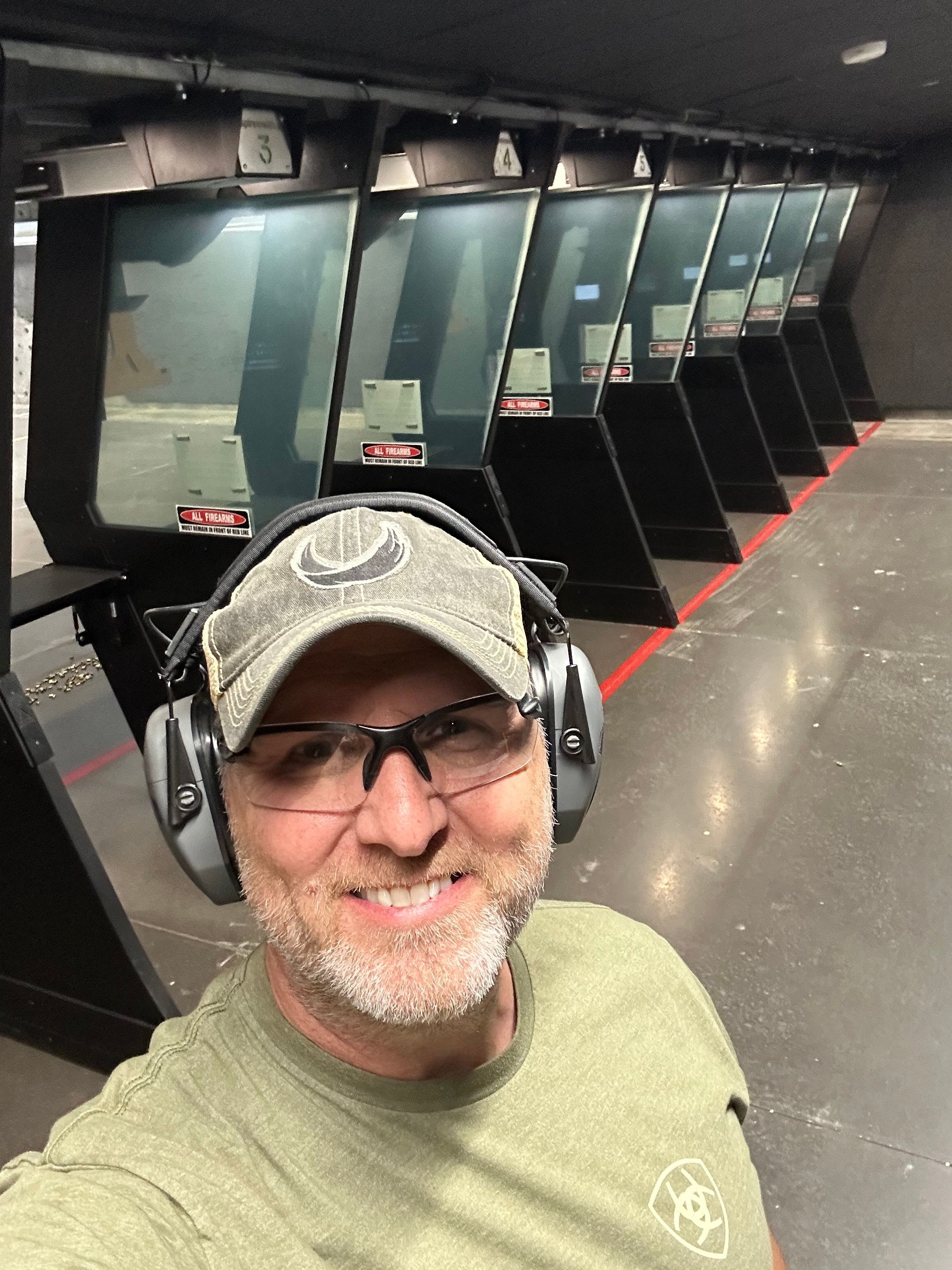
Today, I continue that mission through personal safety training and consulting. I help people develop greater situational awareness, strengthen their personal and home safety plans, and build the confidence to protect themselves and their loved ones. While the way I serve has changed, my purpose remains the same: helping others become better prepared, more capable, and safer in their everyday lives.
The mission evolved, but the purpose remained the same.
I don’t believe overcoming adversity means never feeling discouraged or never questioning whether you can continue. It means refusing to let your circumstances define your future. It means understanding that setbacks may require you to adapt, but they do not have to stop you.
My stroke took away many things, but it also taught me resilience, patience, humility, and gratitude. It showed me that purpose isn’t tied to a job title or a specific career path. Purpose comes from serving others and using your experiences, even the painful ones, to make a difference.
If you’re facing adversity, my advice is this: don’t focus on getting back to who you were before. Focus on discovering who you can become because of what you’ve been through.
Sometimes, life forces us to change direction. That doesn’t mean we give up. It simply means we find a new way to move forward.
For me, continuing wasn’t about returning to my old mission. It was about adapting, finding new paths when obstacles appeared, and discovering a new way to live the same mission of service that has guided me throughout my life.
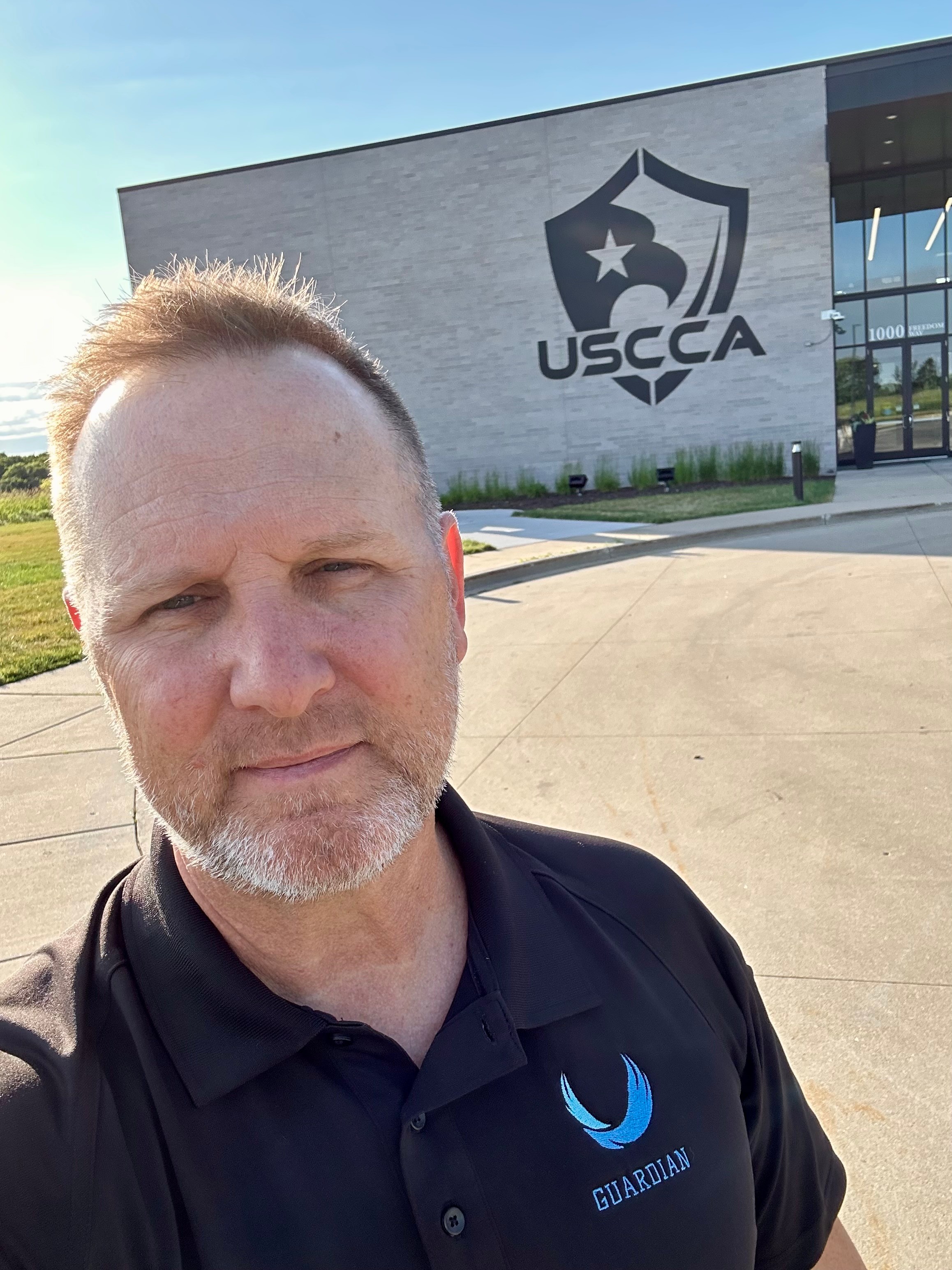
Let’s talk shop? Tell us more about your career, what can you share with our community?
My professional journey has never really been defined by job titles. Instead, it has been driven by a mission of service.
I spent 29 years in law enforcement, retiring as a police lieutenant after serving in patrol, investigations, and leadership roles. The majority of my career was dedicated to violent crimes investigations involving homicides, robberies, sexual assaults, and crimes against children. I worked alongside victims and families during some of the most difficult moments of their lives, striving not only to seek justice but also to provide compassion and support during unimaginable circumstances.
As I progressed through my career, I discovered that one of the most rewarding aspects of leadership wasn’t rank or recognition, it was helping others succeed. I found great purpose in mentoring officers, developing teams, teaching, and supporting people in a profession that can be both demanding and emotionally taxing. Looking back, I realize that my greatest satisfaction always came from helping others become better than they thought they could be.
In 2019, my life changed dramatically when I suffered a massive stroke at the age of 49. The stroke abruptly ended the career I had dedicated nearly three decades to building. Physically, I was fortunate to recover most of the use of my right arm through rehabilitation. More significantly, I was diagnosed with aphasia and lost the ability to effectively read, write, speak, and understand language. I retained my intelligence, experience, and desire to contribute, but the tools I had relied on to communicate with the world had been disrupted.
Was it easy? Absolutely not.
I had to grieve the loss of my career and the identity I had built around it. I started speech therapy at what felt like a kindergarten level, relearning skills that most people take for granted. Recovery was frustrating, exhausting, and often humbling.
But giving up was never an option.
What I learned through recovery was that resilience isn’t about refusing to change. It’s about adapting when life forces you down a path you never expected. I had to shift my perspective, recognize when something wasn’t working, and find another way forward. Neuroplasticity taught me that the brain can create new pathways. More importantly, life taught me that purpose can evolve without disappearing.
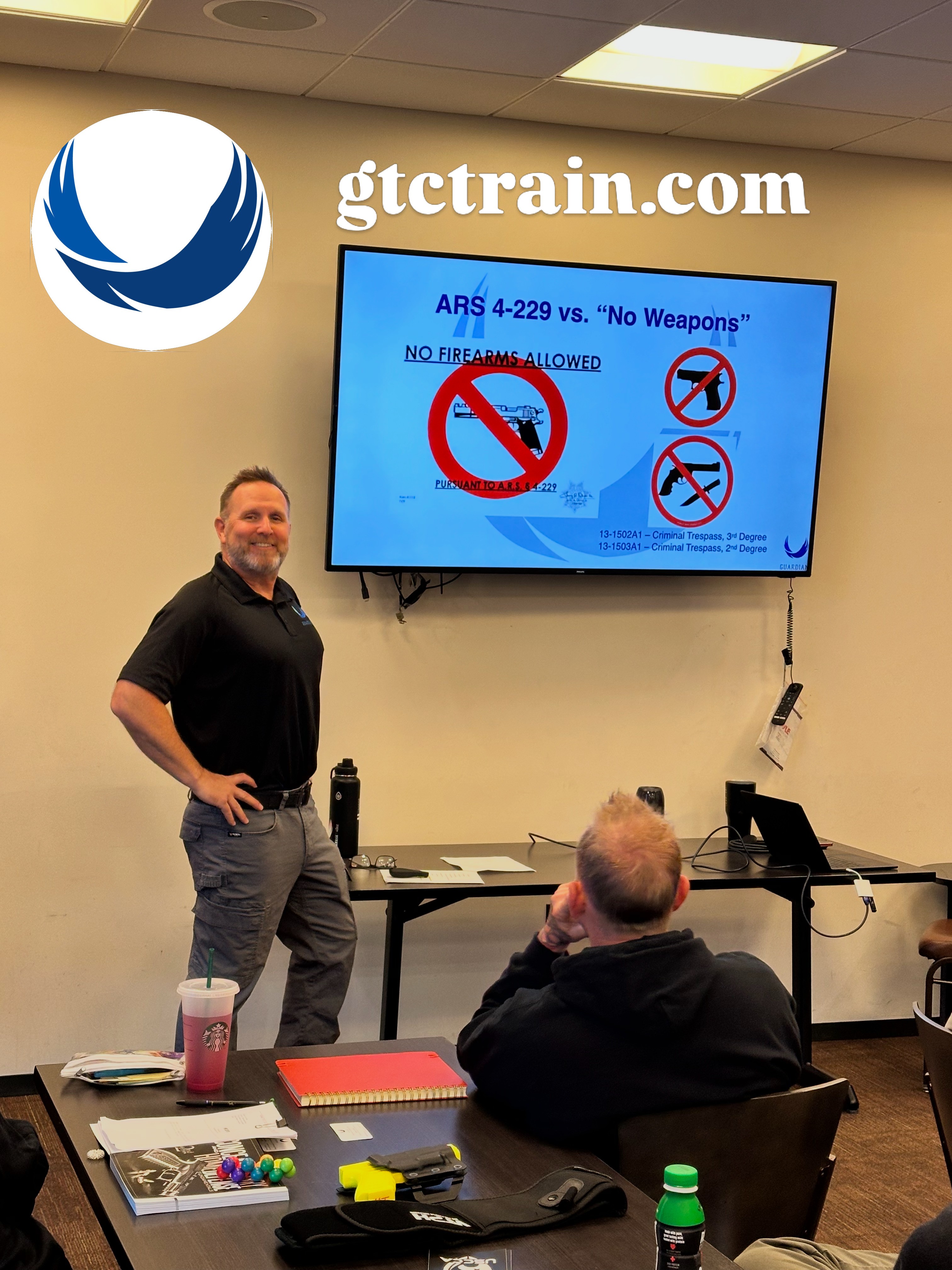
Today, I continue my mission through personal safety training and consulting. I educate individuals and families on situational awareness, home defense, self-defense, and strategies that help people navigate an increasingly complex world with greater confidence and preparedness. I enjoy mentoring others and empowering people with practical skills and knowledge that can positively impact their lives and the safety of those they love.
What sets me apart is not that I have overcome adversity, but what adversity taught me. My experiences in law enforcement taught me about service, leadership, and compassion. My stroke taught me humility, patience, resilience, and adaptability. Together, those experiences shaped my belief that our greatest challenges often reveal strengths we never knew we possessed.
The biggest lesson I’ve learned is that purpose is not tied to a specific career, title, or role. Life can change in an instant, but the values that guide us, service, integrity, compassion, and perseverance, remain constant. Sometimes we don’t get to choose the obstacles we face, but we do get to choose how we respond to them.
What I want people to know about me and my story is that setbacks do not have to define your future. The path forward may look different than the one you originally envisioned, but different does not mean less meaningful. I never returned to the life I had before my stroke, but through adaptation and determination, I found a new way to live the same mission that has always guided me: helping others, making a difference, and leaving people better than I found them.
If my journey demonstrates anything, I hope it shows that resilience isn’t about getting back to who you once were. It’s about discovering who you can become.
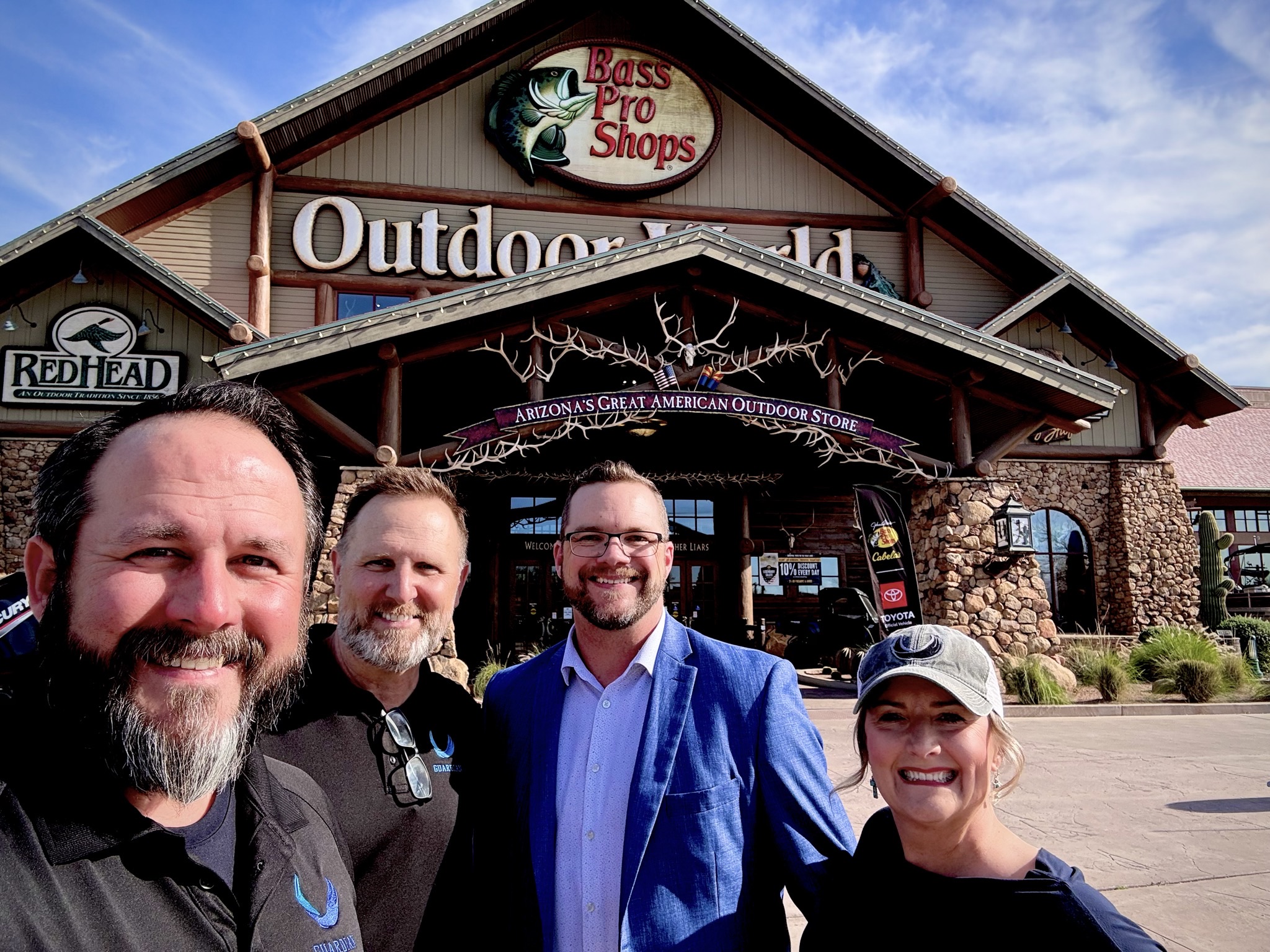
If you had a friend visiting you, what are some of the local spots you’d want to take them around to?
If I’m showing a good friend around Arizona for a week, they’re probably going to get a very authentic version of how my wife and I actually enjoy life. Truthfully, we’re homebodies. We’d much rather cook a great meal at home, enjoy each other’s company, and watch a game from the comfort of our couch than fight crowds or chase a packed itinerary. Some of our favorite memories are simply made around our own dinner table.
That said, Arizona has some incredible places that we love sharing with visitors.
For coffee, I’d recommend Garage-East in Gilbert. It’s a great local spot with excellent coffee and a relaxed atmosphere. Another favorite is The Coffee Shop, just around the corner, which offers great breakfast and lunch options.
A must-visit stop is Queen Creek Olive Mill in Queen Creek. It’s one of those uniquely Arizona experiences where you can enjoy fresh food, olive oil tastings, and a beautiful outdoor setting that encourages you to slow down and enjoy the day.
For anyone new to Arizona, one of my favorite drives is through Usery Mountain Regional Park, connecting to Bush Highway along the Salt River. The desert scenery is stunning, especially if you’ve never experienced the Sonoran Desert before. The best part? You’re very likely to spot the famous wild horses that roam the area. It’s a reminder that some of Arizona’s greatest attractions don’t require reservations, just an appreciation for the beauty around you.
If we’re planning a longer getaway, Sedona is always at the top of our list.
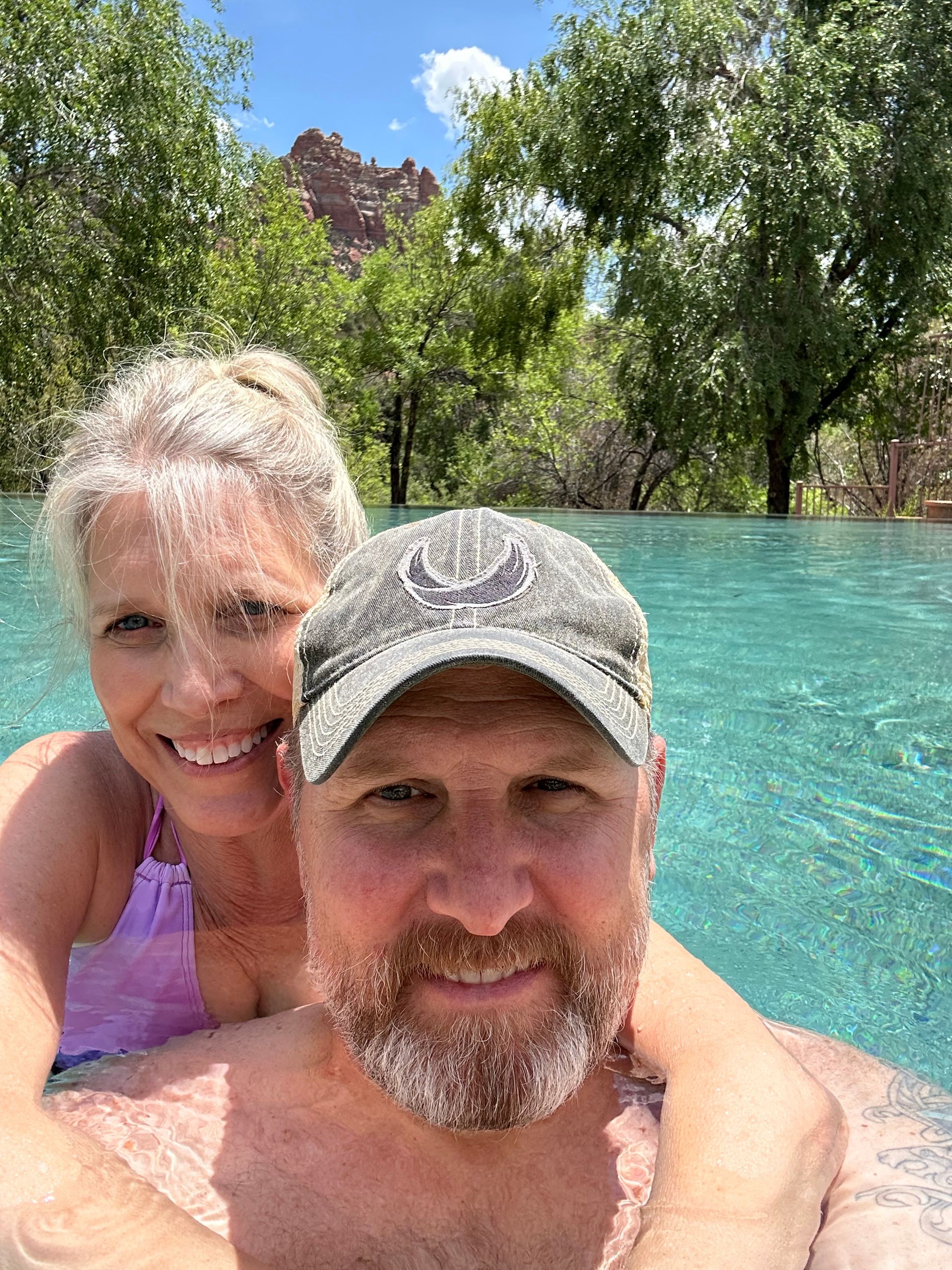
The scenery in Sedona is beyond compare. Between the red rock formations, countless hiking trails, unique shops, and incredible restaurants, there’s something for everyone. If the budget allows, we love staying at Amara Resort and Spa. It’s located right in downtown Sedona along Oak Creek, creating a peaceful retreat after a day of exploring.
When it comes to dining in Sedona, our favorite is Mariposa Latin Inspired Grill. It’s definitely on the pricier side, but in our opinion, it’s absolutely worth it. The food is exceptional, and the views overlooking the red rocks make it an unforgettable experience.
So while our perfect week might not be packed with nonstop activity, it would be filled with good food, beautiful scenery, meaningful conversations, and the kind of places that remind you why Arizona is such a special place to call home. Sometimes, the best experiences aren’t about doing more, they’re about slowing down enough to truly enjoy where you are and who you’re with.
Who else deserves some credit and recognition?
Without question, my shoutout goes to my wife, Helen, my “Polar Bear.”
Growing up, Helen moved with her family to Utqiaġvik, Alaska (formerly Barrow), located north of the Arctic Circle. Her father was a research scientist, and she spent her childhood in one of the harshest environments in the world. I often joke that growing up there made her tough as nails, especially when it comes to protecting the people she loves.
When I suffered my stroke, Helen went into full “Polar Bear” mode. She tirelessly protected me, advocated for me, insulated me from unnecessary stress, and helped nurse me back to health. At a time when my world had been turned upside down, she became my strength and my constant source of hope.
Before retiring, Helen was a second-grade teacher. Without a doubt, she helped teach me to read, write, and speak again. While I worked through aphasia and relearned language skills that had once come naturally, she patiently guided and encouraged me every step of the way.
She also introduced me to brain research and the incredible science of neuroplasticity, the brain’s ability to adapt and create new pathways after injury. She taught me about confirmation bias and the importance of the stories we tell ourselves. She reminded me that if I constantly focused on what I had lost or spoke negatively about myself, my brain would follow that path. Instead, she encouraged me to focus on progress, possibility, and the belief that improvement was still achievable.
My recovery was certainly the result of the incredible work of doctors, nurses, and therapists, but Helen was the person who stood beside me through every challenge and every small victory. She believed in me on the days when I struggled to believe in myself.
People often talk about heroes as those who run toward danger. I was fortunate enough to marry mine. Helen’s love, patience, strength, and unwavering support helped me rebuild my life and discover a new purpose after my stroke.
She will always be my Polar Bear, and I would not be where I am today without her.