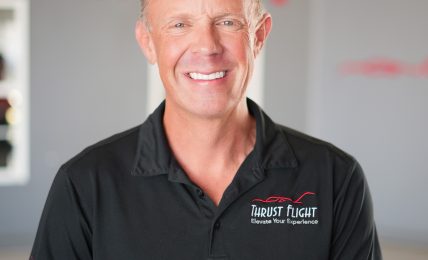
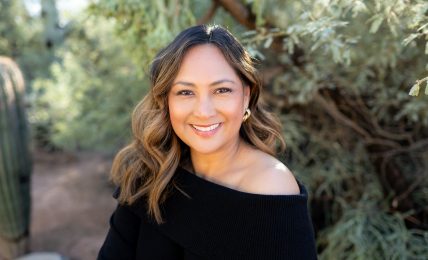
We had the good fortune of connecting with Joe Berman and we’ve shared our conversation below.
Hi Joe, how has your work-life balance changed over time?
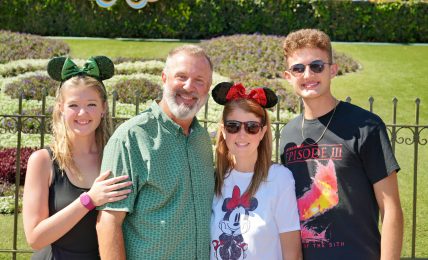
I value my family, freedom, friends, health, and maintaining my home more than work today. Earlier in my career, it was the opposite; work came first, and much of my identity was tied to it.
Over time, as I became a better leader, mentor, and delegator, I realized that my job wasn’t to do everything myself. My job was to develop people, build systems, and create an organization that could succeed without my constant involvement. That gave me the confidence and freedom to invest more time in the other things that matter most in life, family, friends, and exploring Arizona one trail at a time. Whether I’m mountain biking, commuting by bike, or hiking, I love sharing the beauty of this state and encouraging others to get outside and create their own adventures.
The irony is that becoming less involved in every minute detail often made me a more effective leader. When you’ve built strong teams and systems, the business continues to run—even thrive.
That being said, are leaders ever truly “absent”? Not really. The responsibility never completely leaves you. But there’s a big difference between carrying responsibility and being consumed by it. Today, I strive for a balance where work is important, but it no longer comes at the expense of the people, experiences, and priorities that make life meaningful.
Alright, so let’s move onto what keeps you busy professionally?
What sets me apart is that I’m genuine, relatable, and able to connect with people at every level; from the front lines to the boardroom. I listen, empathize, ask questions, coach, and provide honest feedback because I believe great leadership starts with understanding people.
My journey wasn’t easy. Like most entrepreneurs and leaders, I’ve faced setbacks, failures, and tough lessons. Those experiences taught me resilience, humility, and the importance of building strong teams rather than trying to do everything myself.
What I’m most proud of isn’t the businesses I’ve built, grown, or lead; it’s the people I’ve helped develop along the way. If there’s one thing I want people to know about me, it’s that I genuinely care about helping others grow. My personal brand is built on authenticity, trust, continuous learning, and creating leaders who can succeed long after I’m gone.
Mentoring young professionals, developing future leaders, coaching high-potential talent, and serving as a leadership role model has always been at the core of my philosophy around management, entrepreneurship, leadership development, and team building. Investing in mentorship, professional development, executive coaching, and leadership training isn’t just part of the job; it’s the reason for being. Watching these rising leaders step into responsibility, sharpen their leadership skills, build strong teams, and reap the rewards of real mentorship and hands-on training is the ultimate professional payoff.
Keep the plaques, the trophies, and the industry awards. I’ll take strong protégés, emerging leaders, and successful mentees any day.
Building better leaders today so they can lead stronger teams, build thriving organizations, and drive meaningful impact tomorrow. Better than any certificate, credential, or leadership award.
People see where I am today, but they usually don’t see how I got here.
Growing up, I was off the wall ADHD. It wasn’t viewed as something to understand. It was something to fix. I spent years hearing that I wasn’t living up to my potential, that I talked too much, couldn’t sit still, got distracted, or wasn’t applying myself. School was frustrating because it measured how well I fit into a system, not how my brain actually worked. I wasn’t lazy. I wasn’t unintelligent. I just learned differently.
For a long time, I believed those labels.
Eventually, I realized the very things I had been criticized for were the same things that made me successful. My brain doesn’t think in straight lines. It connects people, ideas, systems, and opportunities that others often don’t see. I can jump between operations, finance, marketing, customer service, leadership, and strategy without losing sight of the bigger picture. What some people call multitasking, I simply call the way my brain works.
That doesn’t mean ADHD is a superpower all the time. It can be exhausting. It requires discipline, routines, lists, calendars, and surrounding myself with people whose strengths complement mine. I’ve learned that success isn’t about fixing who you are. It’s about building systems that allow you to perform at your best.
Professionally, nothing came easy. I made mistakes. I chased shiny objects. I failed more times than I’d like to admit. But every setback taught me something about resilience, leadership, and people. Those experiences shaped me into someone who genuinely enjoys helping others grow. Whether I’m leading a team of 60 people, improving operations, coaching a manager, or solving a business problem, I’m at my best when I’m connecting the dots and helping people see what’s possible.
What sets me apart isn’t that I’m the smartest person in the room. It’s that I’m relentlessly curious. I ask questions. I listen. I notice patterns. I care deeply about people, whether they’re washing cars, running a kitchen, or sitting in the boardroom. Everyone has something to teach you if you’re willing to pay attention.
The thing I’m most proud of isn’t a business I’ve helped build or a number on a financial statement. It’s the people who have grown because someone believed in them. Promotions they’ve earned. Confidence they’ve found. Careers they’ve built. That’s the legacy that matters to me.
If there’s one thing I want people to know about me, it’s this: the thing that made me feel misunderstood for so many years became one of my greatest strengths. ADHD didn’t hold me back forever. Once I stopped trying to think like everyone else, I finally discovered what I was capable of.
Sometimes your greatest weakness is just your greatest strength waiting to be understood.
Let’s say your best friend was visiting the area and you wanted to show them the best time ever. Where would you take them? Give us a little itinerary – say it was a week long trip, where would you eat, drink, visit, hang out, etc.
We’d start with an early morning hike at Piestewa Peak or a stroll through Mcdowell Mountain Regional Park, followed by coffee at Cartel or Press. One evening we’d grab cocktails at a hidden speakeasy like Undertow, lunch at The Thumb, and dinner at The Rokeri, where Phoenix’s culture and food scene come together perfectly.
I’d take them to Taliesin West to experience Frank Lloyd Wright’s vision of desert living, then wander through Roosevelt Row to explore murals, galleries, and the creative energy that makes downtown Phoenix unique. We’d spend an afternoon at Cosanti and Arcosanti—places that feel equal parts art installation, social experiment, and architectural wonder.
A day trip to Sedona is mandatory, but we’d take the backroads, stop at roadside diners, and find a few places that aren’t on Instagram. Another evening would be spent watching the sunset from Desert Botanical Garden, followed by dinner somewhere unexpected, like a tiny chef-driven restaurant tucked into an unassuming strip mall.
The most interesting thing about Arizona isn’t the luxury resorts or golf courses; it’s the contrast. It’s the artists, entrepreneurs, makers, and dreamers building remarkable things in unlikely places. The best experiences are often hidden behind unmarked doors, down dirt roads, or in conversations with people who chose to create something extraordinary in the middle of the desert.
That’s the Phoenix I’d want my friend to see; not just the city, but the spirit of curiosity, reinvention, and possibility that makes it unlike anywhere else.
Shoutout is all about shouting out others who you feel deserve additional recognition and exposure. Who would you like to shoutout?
Mentors include my first leader mentor Eric Alt at just for Feet 1995-1999, my retail team leadership guru Tim Bradley REI 1999/2000, and my Uncle, Rob Berman, who taught me to be a man.
Linkedin: https://www.linkedin.com/in/joeberman73
Image Credits
Joe Berman
Nominate Someone: ShoutoutArizona is built on recommendations and shoutouts from the community; it’s how we uncover hidden gems, so if you or someone you know deserves recognition please let us know here.